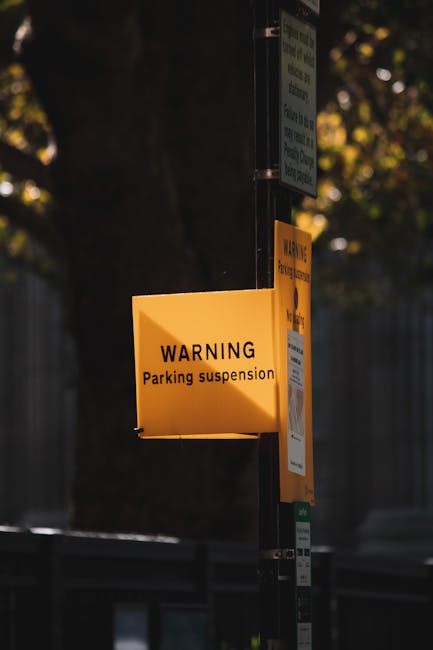
Parking suspension rules for Kingston removals and vans
If you are planning a move in Kingston, parking can become the part that ruins an otherwise tidy day. One minute you are focused on boxes, wardrobes, or a heavy sofa; the next, you are wondering whether the van will actually have a legal place to stop. That is exactly where parking suspension rules for Kingston removals and vans matter. They help you protect a loading space, reduce delays, and avoid the miserable surprise of a ticket while you are halfway through carrying a bedframe down the stairs. Truth be told, a good move is often won or lost at the kerb.
This guide explains what parking suspensions are, how they usually work in practice, what removal customers and van drivers should check before move day, and how to keep everything running calmly. It also links the topic back to the wider moving process, from man and van services and removal van hire to home moves, office removals, and flat removals. If you are trying to keep a move on time, the practical side of parking is not a side issue. It is part of the job.
Table of Contents
- Why Parking suspension rules for Kingston removals and vans Matters
- How Parking suspension rules for Kingston removals and vans Works
- Key Benefits and Practical Advantages
- Who This Is For and When It Makes Sense
- Step-by-Step Guidance
- Expert Tips for Better Results
- Common Mistakes to Avoid
- Tools, Resources and Recommendations
- Law, Compliance, Standards, or Best Practice
- Options, Methods, or Comparison Table
- Case Study or Real-World Example
- Practical Checklist
- Conclusion
- Frequently Asked Questions
Why Parking suspension rules for Kingston removals and vans Matters
Parking suspensions exist to temporarily reserve a section of road or parking space for a specific purpose. For removals, that purpose is often simple: give the van a lawful place to load or unload close to the property. That sounds straightforward, but in Kingston's busier streets, narrow residential roads, and controlled parking areas, it can make the difference between a smooth move and a messy one.
The reason it matters is not only enforcement. It is logistics. A van parked too far away adds extra walking, extra lifting, and extra time. The crew gets tired quicker, vulnerable items spend longer outside, and everything slows down. On a wet morning with neighbours trying to get out for work, those extra minutes can turn into a chain reaction. You will notice this most on streets where access is already tight, or where other vehicles tend to fill the available bays early.
Parking suspension rules also matter because different properties have different pressures. A small flat move may only need a short loading window. A larger house move, or an office relocation with crates and equipment, may need a more dependable arrangement. If you have heavy items such as a piano or bulky furniture, the need for a proper loading position becomes even more obvious. In those situations, the topic overlaps naturally with piano removals, furniture removals, and office relocation services.
There is also a trust angle. When you plan parking properly, the whole move feels more organised. Neighbours are less likely to be irritated, the team is less rushed, and there is less chance of improvising in the middle of the day. To be fair, most moving stress comes from the bits nobody thought through early enough. Parking is one of those bits.
How Parking suspension rules for Kingston removals and vans Works
At a practical level, a parking suspension is a temporary restriction applied to one or more parking spaces. In removals, it is usually used to keep space clear for a van, lorry, or access vehicle. The exact process depends on the local authority or managing body responsible for the road, bay, or controlled area. The safest approach is always to treat it as a formal arrangement, not a casual favour.
In everyday terms, the process often looks like this:
- Someone identifies that parking near the property will be difficult.
- A request is made for a suspension or loading bay reservation where available.
- The authority or managing body checks the location, timing, and impact on nearby parking.
- If approved, signs or notices are put in place to show the restriction.
- On move day, the bay or space should remain clear and usable for the van.
That is the general shape of it. The details can vary, and that variation is what catches people out. Some suspensions cover a short bay outside a house. Others might apply to a larger area, a single yellow line space, or a loading-only arrangement. A few properties in Kingston, especially around busier streets, may need more coordination because there is competition for kerb space. Nothing glamorous there, just the reality of moving in a live neighbourhood.
For a removal company or van driver, the practical question is simple: can the vehicle stop close enough to the entrance without causing a restriction breach? If the answer is no, then the move plan should be adjusted well before the van arrives. That may involve a suspension, an agreed loading point, a different arrival time, or even splitting the move into stages with help from same day removals or short-term storage.
One useful way to think about it: parking suspension rules are really about controlling risk. Risk of fines. Risk of blocked access. Risk of delay. Risk of people carrying heavy items farther than they should. That is why experienced movers think about the kerb before they think about the sofa.
Key Benefits and Practical Advantages
When parking is planned properly, the benefits show up immediately on move day. They are practical, not theoretical.
- Shorter carry distance: less time moving boxes from van to doorway means faster loading and unloading.
- Lower risk of damage: fewer trips across pavements, steps, and tight corners.
- Better timekeeping: the schedule is easier to hold when the van is near the property.
- Less stress for the customer: you are not watching the clock while worrying about parking enforcement.
- Improved safety: fewer long carries reduce strain and make it easier to manage awkward items.
- Cleaner neighbour relations: a proper plan causes less disruption than ad hoc stopping in random places.
There is another advantage people overlook: efficiency can save money indirectly. Even if a parking suspension involves a fee or admin work, that cost may be worth it if it avoids delay, extra labour, or repeat journeys. In moving, time is rarely just time. It is energy, fuel, labour, and patience all mixed together. A tidy parking setup helps all of those.
If you are comparing moving options, parking planning is especially valuable when the job involves a larger load, awkward access, or commercial timing. That is why it sits naturally alongside removals, removal services, and removal truck hire.
Who This Is For and When It Makes Sense
Parking suspensions are not just for huge house moves with a large lorry outside. They are useful in a lot of ordinary situations. If the van cannot stop safely and legally close to the property, this topic matters to you.
It makes sense for:
- people moving from terraced streets with limited roadside space;
- flat residents who need loading access close to the entrance;
- families moving with lots of boxes and furniture;
- students in shared accommodation where parking is often awkward;
- office teams moving equipment, crates, and filing;
- anyone using a larger van or truck that needs reliable access;
- customers arranging a move on a busy weekday morning.
It is also relevant when the property is in a controlled parking zone, a permit area, or a street where local parking fills quickly. Kingston's streets can be calm one minute and crowded the next, especially near transport links, schools, or shopping routes. So even if a move seems easy on paper, do not assume the van can just pull up. That assumption has a habit of becoming expensive.
For smaller jobs, a man and van arrangement may be enough if parking is straightforward. But if the driver needs to stay close to the property for a while, or if the route involves multiple loads, parking planning still matters. The same applies to student removals, where access can be the trickiest part of the whole day.
Step-by-Step Guidance
If you want a practical way to deal with parking suspension rules for Kingston removals and vans, use this sequence. It keeps the process calm and avoids last-minute scrambling.
- Assess the access first. Stand outside the property and look at the road as a van driver would. Ask yourself: where would the vehicle actually stop?
- Check whether parking is controlled. Look for permits, time limits, loading restrictions, or signs that suggest the space cannot simply be used freely.
- Decide whether a suspension is needed. If the van needs a clear space directly outside, or very near the address, a suspension may be worth pursuing.
- Build the request into your move timetable. Do not leave it until the week before. That is how people end up improvising at 7:30 in the morning with boxes stacked in the hallway.
- Confirm the vehicle type. A small van, large van, and moving truck all place different demands on the road space.
- Prepare occupants and neighbours. Let people know the move may briefly affect parking or access. A little notice goes a long way.
- On the day, check the bay or space early. If something is parked in it, raise the issue immediately rather than hoping it fixes itself. It usually doesn't.
- Keep paperwork and instructions accessible. If there is an agreed suspension or loading arrangement, make sure the driver and move lead know the details.
Small detail, big difference. If the van arrives and has nowhere to stop, the whole day starts off on the back foot. That is especially annoying when everyone is already carrying heavy stuff and trying to keep the stairwell clear.
Expert Tips for Better Results
Here is the bit that often saves a move from becoming a nuisance. These are the practical habits that experienced movers tend to rely on, even if they do not say much about them.
- Plan for the worst likely parking scenario, not the best one. If a space sometimes looks available and sometimes is not, assume it may be taken.
- Use a buffer window. Arrival times are rarely exact in real life. A ten-minute delay can throw off a narrow loading window, so give yourself breathing room.
- Measure the vehicle against the street. A van that fits in theory can still create problems if turning space is tight or access is shared.
- Keep a back-up loading point in mind. If the primary bay is occupied, know where the next best legal stopping place is.
- Protect the route from the van to the door. Clear loose items, open gates in advance, and keep the path sensible for carrying.
- Match parking planning to the volume of the move. A one-bedroom flat and a full office relocation do not need the same level of control.
Another tip: be honest about the access. People sometimes downplay how awkward a road is because they do not want to make the move sound difficult. Fair enough, nobody enjoys that conversation. But the driver needs the truth more than optimism. If there is a low wall, a steep kerb, or a very narrow bay, say so early.
And one more thing. If the move involves fragile or valuable items, tighter parking arrangements are not just convenient. They are protective. Fewer metres between van and property means less jostling and less risk. That is especially useful for packing and boxes and items arranged through packing and unpacking services.
Common Mistakes to Avoid
Most parking problems during removals come from a few repeat mistakes. They are easy to make, which is why they keep showing up.
- Assuming the space will be free. It sounds obvious, but it is the most common error.
- Leaving the request too late. The process may need lead time, and last-minute requests often create pressure.
- Forgetting the vehicle size. A space that suits a car may not suit a moving van at all.
- Ignoring nearby restrictions. Double yellows, loading bans, or permit-only bays can catch people out.
- Not checking the exact loading point. "Near the house" is not the same as "usable for a removal team."
- Failing to brief everyone involved. If the driver, helpers, and customer all have different ideas, confusion follows.
- Relying on memory instead of written details. Move days are busy. Your brain is already full.
A small but important one: people often overestimate how much they can carry comfortably from a van parked down the road. After the third trip, it starts feeling a lot longer than it did on paper. By the fifth trip, well, the pavement seems to stretch. That is when parking planning earns its keep.
Tools, Resources and Recommendations
You do not need a complicated toolkit to plan parking sensibly. What you need is a clear picture and a few reliable habits.
- A site walk-through: the quickest way to understand the parking reality is to stand outside the property and look carefully.
- Simple notes or photos: a photo of the frontage, the sign, or the nearest bay helps everyone stay aligned.
- A moving timeline: list when the van arrives, when access starts, and when the property should be cleared.
- Clear item lists: knowing whether the move includes bulky furniture, boxes, or specialist items helps with parking decisions.
- Service planning: if the move also involves house removals, commercial moves, or office removals, the route and stop time should be thought through early.
Our recommendation is simple: use parking planning as part of the quote stage, not after the booking. That is where it is easiest to spot problems and cheapest to solve them. If you are comparing options or trying to understand what level of support is appropriate, the team at pricing and quotes can help frame the moving cost around the actual job, not an idealised version of it. For reassurance on how the business approaches customer care and move preparation, it can also help to read the about us page and the health and safety policy.
Law, Compliance, Standards, or Best Practice
This is the part where caution matters. Parking suspension rules are often shaped by local authority procedures, road signage, and the specific terms attached to the street or bay. The exact legal position can vary depending on where the property sits and who controls the parking area. So while the practical principles are easy to explain, it would be wrong to pretend every Kingston street works the same way.
The safest best-practice approach is:
- follow the signage at the location;
- check whether the area is permit controlled, time limited, or loading restricted;
- make sure any suspension or temporary reservation is properly approved by the relevant body;
- avoid blocking access, emergency routes, or pedestrian space;
- use vehicles and loading methods that match the access conditions;
- keep any booking confirmations or instructions available on the day.
For professional movers, this sits alongside wider operational duties around safety, insurance, and customer care. A van parked poorly is not just a parking issue. It can create manual handling risk, trip hazards, and conflict with other road users. That is why reputable moving teams tend to treat access planning seriously. If you are booking a company or comparing providers, useful supporting pages include insurance and safety, terms and conditions, and payment and security.
If you are unsure about a particular road, do not guess. That sounds obvious, but guesswork is how people end up with avoidable friction on a moving day. Better to ask early, and keep the plan boring. Boring is good here.
Options, Methods, or Comparison Table
There is more than one way to handle parking for a move. The right choice depends on the street, the size of the vehicle, and how much loading time you need.
| Option | Best for | Advantages | Limitations |
|---|---|---|---|
| Parking suspension | Busy streets, narrow access, larger moves | Closest legal access, clearer loading area, less carrying distance | May need approval and lead time |
| Loading bay use | Shorter, well-timed moves | Convenient if available and permitted | Time limits can be strict |
| Permit or visitor parking | Residential streets with controlled parking | Can work well if arranged correctly | May not suit larger vans or long loading periods |
| Nearby legal street parking | Less urgent or lighter loads | Simple and sometimes free of extra admin | Longer carry distance and more physical effort |
In practice, the best option is the one that reduces friction without creating new problems. A suspension is not always necessary, but when the road is tight or the move is heavy, it can be the cleanest answer. If the move involves unusual items or a lot of furniture, planning around a moving truck or a larger man with van setup may make the parking choice more important, not less.
Case Study or Real-World Example
Imagine a family moving from a Kingston terrace into a new home a few streets away. The road outside the property is narrow, resident parking is busy by mid-morning, and there is no obvious place for a van to stand for long. On paper, the move looks simple. In reality, the entrance sits on a road where cars tend to fill every legal space by breakfast time.
The team visits early and spots the issue straight away. If they arrive without a plan, the van might need to park farther down the road, meaning every sofa, box, and lamp has to be carried farther than anyone wants. That is fine for a couple of bags, less fine for a day's worth of household contents. So the move plan is adjusted: access is checked, the load sequence is organised, and parking is dealt with before move day rather than during it.
The result is not dramatic, and that is the point. The van gets close enough to make loading efficient. The household spends less time watching the street and more time settling in. The carry distance stays manageable. The move feels orderly. A bit ordinary, really, but in removals ordinary often means successful.
This is also the kind of situation where a team handling house removalists or removal companies work tends to be judged by the small details: arrival timing, vehicle choice, and whether the roadside plan actually fits the street. Those details are boring until they are the reason the day goes well.
Practical Checklist
Use this checklist before moving day. It keeps the parking side of the job much easier to handle.
- Confirm the property address and exact access point.
- Check whether the road is controlled, permit-based, or time restricted.
- Decide whether a parking suspension or other loading arrangement is needed.
- Match the parking plan to the vehicle size.
- Allow enough time for admin, arrival, and loading.
- Tell neighbours or building management if access may be briefly affected.
- Make sure the driver knows the parking instructions in advance.
- Keep important paperwork or confirmations easy to reach.
- Have a backup plan for an occupied bay or blocked access.
- Prepare the route from van to door so it stays clear and safe.
Expert summary: the best parking plan is the one you barely think about on the day. If everything is arranged properly, the van arrives, the loading area works, and you can concentrate on the move itself. That is the sweet spot. Quietly efficient.
Get a free quote today and see how much you can save.
Conclusion
Parking suspension rules for Kingston removals and vans are not a technical side note. They are part of the move plan, every bit as important as boxes, timing, and the vehicle itself. When parking is handled well, the whole day feels lighter. Items move faster, people get less stressed, and the job has room to breathe.
Whether you are planning a small flat move, a larger family house move, or a commercial relocation, the same principle applies: sort out access early and treat the kerb as part of the property. That one habit saves a lot of awkwardness later. Honestly, it saves more hassle than most people expect.
If you take nothing else from this guide, take this: do not leave parking to luck. A little planning now makes the rest of the move feel far more manageable, and a lot less frantic.
Frequently Asked Questions
What are parking suspension rules for Kingston removals and vans?
They are the local parking arrangements that allow a van or removals vehicle to stop legally near a property for loading or unloading. The exact process depends on the road, the parking controls in place, and who manages the space.
Do I always need a parking suspension for a house move?
No, not always. If there is easy legal parking nearby and the loading time is short, you may not need one. But if the street is busy, narrow, or heavily controlled, a suspension can save a lot of difficulty.
How far in advance should I check parking arrangements?
As early as possible. A few days can be enough in some cases, but planning sooner gives you more flexibility. Leaving it until the week of the move can cause avoidable pressure.
Can a removal van stop in a permit bay for loading?
Sometimes, but only if the location and time rules allow it. Do not assume a permit bay is automatically suitable. The signage and local conditions matter.
What happens if another car is parked in the suspended space?
That needs to be dealt with quickly through the relevant parking process or by rerouting the vehicle to an alternative legal stopping point. It is one of the main reasons early checks are so useful.
Are parking suspensions useful for flat removals?
Yes, especially where access is tight or the building is on a busy road. Flat moves often involve short but repeated carries, so having the van close by can make a big difference.
Do parking rules matter for small man and van jobs too?
Absolutely. Even a smaller vehicle needs a proper place to stop. A short, awkward carry can be more disruptive than people expect, especially if there are several loads.
Can parking planning reduce the risk of damage?
Yes. The closer the van can park to the entrance, the fewer long carries and awkward turns are needed. That generally lowers the chance of items being knocked or dropped.
Is parking planning important for office relocations?
Very much so. Office removals often involve crates, electronics, files, and repeated loading. A poor parking setup can slow the whole schedule down and make the team work harder than necessary.
What should I tell the removals team before move day?
Tell them the exact address, any parking restrictions, whether the street is usually busy, and whether there is a good legal stopping point. Photos help too, and they are surprisingly useful.
What is the best backup plan if parking near the property is blocked?
Have an alternative legal loading spot in mind, and keep the moving schedule flexible enough to absorb a short delay. If needed, split the load or use storage to make the move easier.
Where can I find more information about the moving service itself?
You can read more about the company's approach on the about us page, review health and safety details, or look at pricing and quotes if you are comparing move options.