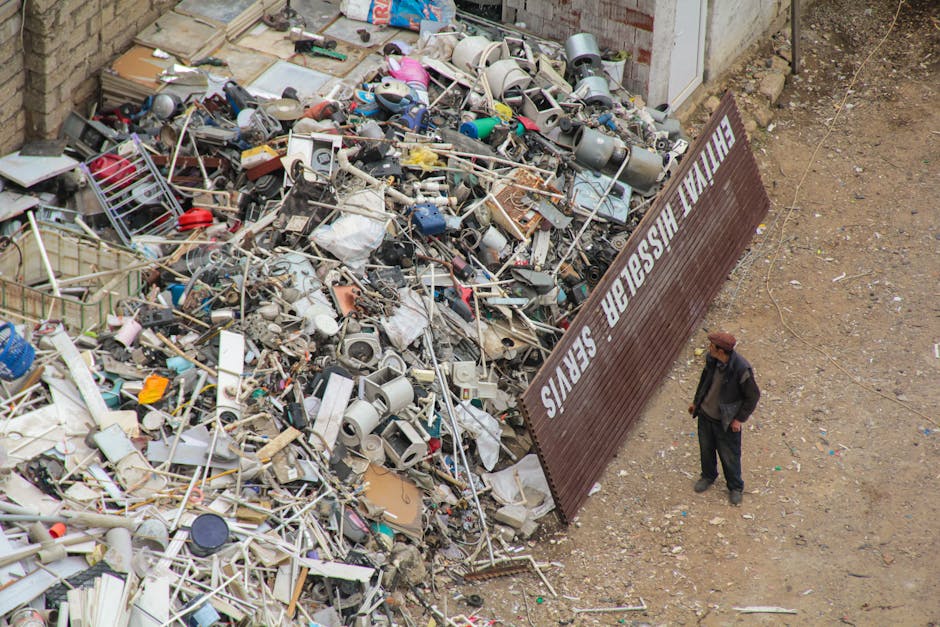
Dispose of waste after Kingston removals council fines: what to do, what to avoid, and how to stay on the right side of the rules
If you are trying to Dispose of waste after Kingston removals council fines, you are probably dealing with the awkward end of a move: broken bits of furniture, old boxes, leftover rubble, or a pile of things you meant to sort out "later". Then the worry starts. Was that left outside too long? Was it put in the wrong place? Could it trigger a fine from the council? It happens more often than people admit, and to be fair, removals are chaotic enough without a waste issue hanging over them.
This guide explains how to deal with post-move waste properly, how council enforcement usually works in practice, and how to clear the mess without making the problem worse. You will also find a step-by-step method, a practical checklist, and a few grounded tips that can save time, money, and a lot of stress.
For readers planning a bigger move, services like removals, home moves, or flat removals can help keep the waste side of things organised before it becomes an issue. The trick is not just moving fast; it is moving cleanly.
Table of Contents
- Why it matters
- How it works
- Key benefits and practical advantages
- Who this is for and when it makes sense
- Step-by-step guidance
- Expert tips for better results
- Common mistakes to avoid
- Tools, resources and recommendations
- Law, compliance, standards, or best practice
- Options, methods, or comparison table
- Case study or real-world example
- Practical checklist
- Conclusion
- Frequently asked questions
Why Dispose of waste after Kingston removals council fines Matters
Post-removal waste is not just an eyesore. It can create practical problems very quickly. Bags left on a pavement, a skipped-over pile of cardboard in a communal hallway, or a sofa left by the kerb can attract complaints from neighbours, frustrate landlords, and in some cases lead to council enforcement action. In a busy part of London, where pavements, shared entrances, and parking are already tight, waste left in the wrong place tends to become someone else's problem. And councils do not usually like that.
The phrase "council fines" matters because enforcement normally follows poor disposal habits, not simply because you moved house. If waste is fly-tipped, blocked in a communal area, left out too early, or set out without following local collection rules, a penalty can follow. That may apply to the person who left the waste, the occupier, or the party responsible for arranging the disposal. The exact outcome depends on the facts, but the risk is real enough to take seriously.
There is also a wider point. Waste handling affects safety, recycling, and how smoothly a move ends. A clear hallway is easier to clean. A booked collection is easier to manage. A properly sorted pile of recyclables is easier to hand over. Small stuff, really, but small stuff is what keeps moves from turning into a half-finished weekend saga.
Expert summary: if waste remains after a removal, treat it as a time-sensitive job, not an afterthought. Sort it, separate reusable items, book the right disposal route, and never assume "it will be fine for a day or two" unless you are sure the property rules and local collection arrangements allow it.
How Dispose of waste after Kingston removals council fines Works
At a practical level, this process has three parts: identifying the waste, choosing the correct disposal route, and making sure the waste does not sit where it can cause a breach or complaint. Simple on paper. Messier in real life, especially if the move has already tired everyone out.
First, identify what you are dealing with. Not everything left after removals is "waste" in the same sense. Some items are reusable, some can be recycled, and some are treated as bulky waste, general rubbish, or special waste depending on condition and material. For example, clean cardboard is a very different job from a damaged mattress, and old paint tins are different again. If you are not sure, sort conservatively and keep problem items separate.
Second, decide how it should leave the property. Some waste may go with the removals load, some may need a separate collection, and some may be best stored briefly before disposal. If you are between homes, short-term storage can be surprisingly useful for staging decisions, especially when you are not ready to throw something away but do not want it sitting in a hallway either. That is where storage can genuinely help.
Third, make sure the collection or disposal itself is lawful and tidy. If you use a vehicle or contractor, check that the waste will be handled properly and not dumped elsewhere. If you are clearing a large amount, it can be worth using a service that is set up for careful loading rather than trying to cram everything into a car boot and hoping for the best. That rarely ends well. In our experience, people underestimate how much waste a move creates; the boxes alone can look harmless until they are stacked in the cold by the front door.
For delicate or awkward household moves, a business such as man with a van or removal van support can help transport items safely, while furniture removals or furniture pick up can help remove bulky pieces that do not belong in general waste.
Key Benefits and Practical Advantages
Doing this properly saves more than money. It saves time, reduces friction with neighbours or landlords, and keeps the move feeling controlled rather than improvised.
- Lower enforcement risk: waste handled promptly and correctly is much less likely to trigger complaints or fines.
- Cleaner handover: if you are leaving a rental property or selling a house, a tidy clearance helps protect your final impression.
- Better recycling outcomes: separated waste is easier to reuse or recycle instead of being mixed into general rubbish.
- Safer access: hallways, stairwells, and driveways stay clear, which matters for both people and furniture.
- Less emotional overload: yes, really. When the rubbish is gone, the whole move feels lighter.
There is also a quality-of-life benefit. Once the last box is out, the last lightbulb packed, and the old desk has gone, you can finally see the room again. That moment matters. It feels like closure. Not glamorous, but proper closure.
If you are managing a larger household move, combining waste clearance with house removals or house removalists can reduce the number of moving parts. For business premises, office removals and commercial moves benefit from the same principle: separate the move from the scrap, and you will usually save yourself a headache later.
Who This Is For and When It Makes Sense
This guidance is relevant if you are:
- moving out of a flat, house, or shared property in Kingston;
- clearing leftover waste after a removals job;
- dealing with broken furniture, packaging, or unwanted items after the move;
- trying to avoid a council penalty or a complaint from a neighbour or landlord;
- planning a same-day clear-out with limited time and no room for error.
It also makes sense if you are a student leaving a rented place, because student moves are often fast and a bit improvised. Someone always says, "We'll deal with the rest tomorrow." Then tomorrow arrives with a corridor full of boxes and one sad chair nobody wants. If that sounds familiar, you are in the right place. A service like student removals can be a practical way to keep the move structured.
It is equally relevant for people who have inherited furniture, downsized, or renovated and suddenly found themselves with a pile of old stuff that needs to go. The move may be done, but the waste is still there. Same rules, same risks.
Step-by-Step Guidance
Here is a clear way to handle it without overcomplicating things.
- Walk through the property and separate everything. Make three piles: keep, recycle, and dispose. Be ruthless where you need to be, but not careless. A quick five-minute scan often saves a second trip later.
- Check what can be reused. Small tables, shelving, boxes, and some household items can often be passed on rather than binned. If you can avoid disposal, do it. It is usually kinder to the wallet and the planet.
- Identify bulky or awkward items. Mattresses, wardrobes, broken furniture, and large appliances are the usual troublemakers. These need the most attention because they are hardest to shift and easiest to leave behind accidentally.
- Keep recyclable materials clean and separate. Cardboard, paper, and some plastics are easier to manage when they are not mixed with food residue, dust, or broken fixtures.
- Decide whether you need transport support. If you have more than a carload, or anything heavy, ask whether a proper removals vehicle makes more sense than doing multiple small runs. A service such as man and van or removal truck hire can be the difference between a controlled clear-out and a stressful Saturday.
- Book the disposal or collection before waste starts piling up. Timing matters. A heap sitting by the door overnight is exactly the kind of thing that causes trouble in shared buildings.
- Document what you have done. Keep receipts, booking confirmations, or photos of a tidy clearance if there is any chance of a dispute. This is not about being paranoid; it is just good practice.
One small but useful habit: put a bin liner in the boot or near the exit point before you start. It sounds almost silly. Then the move gets busy, and suddenly you are glad it was there.
Expert Tips for Better Results
The difference between a smooth clearance and a messy one usually comes down to planning. Here are the habits that make a real difference.
- Start with the least pleasant task. The broken chair, the torn packaging, the dusty shelf. Get the ugly bits out of the way first.
- Do one final room-by-room sweep. People miss loft corners, under-bed spaces, and utility rooms all the time. All the time.
- Do not mix waste streams if you can avoid it. A mixed pile is harder to sort, harder to carry, and more likely to be treated as general waste.
- Measure access before booking help. Narrow stairs, awkward parking, and basement steps can change what kind of vehicle or manpower is sensible.
- Use packing materials wisely. Good boxes and wrapping help during a move, but once they have done their job, they should be flattened and separated for recycling. Consider packing and boxes or packing and unpacking services if you want the job managed cleanly from the start.
- Ask for clarity on what is included. Some people assume disposal is bundled in. Sometimes it is, sometimes it is not. Better to ask once than argue later.
To be fair, the most useful tip is boring: plan earlier than you think you need to. Waste becomes expensive mainly when it becomes urgent.
Common Mistakes to Avoid
These are the errors that show up again and again.
- Leaving waste in a communal area. Even if it seems "out of the way", shared spaces are exactly where complaints happen.
- Assuming the council will remove everything automatically. Not all bulky items or mixed waste are handled the same way, and timing can matter.
- Mixing good furniture with rubbish. If something can be reused or collected separately, do not bury it in the general pile.
- Using the wrong vehicle or a poor loading plan. Overfilling a car, blocking view, or making several inefficient trips wastes time and can create safety problems.
- Forgetting about landlord or building rules. Some properties are stricter than others. A quick check of the lease, move-out instructions, or building notes can save you trouble.
- Leaving the final clearance too late. The "we'll sort it after the move" approach often turns into an extra cost and an extra day off work.
And yes, people do forget the loft hatch. More often than you would expect.
Tools, Resources and Recommendations
You do not need specialist equipment for every clearance, but a few basics make a move much easier.
- Heavy-duty rubbish bags: useful for lightweight general waste and soft items.
- Flattening tools or a box cutter: for breaking down cardboard safely.
- Gloves: especially when handling old fittings, splintered wood, or dusty loft items.
- Labels or marker pens: great for marking keep, recycle, and dispose piles.
- Protective wrap and blankets: useful if items are being moved before disposal.
- Storage containers or bags: handy if you need a short pause before deciding what stays and what goes.
If you are comparing practical support options, it can help to look at the type of move rather than just the volume of waste. For example, removals suits full-property clearances, while same day removals may suit a last-minute end-of-tenancy rush. For lighter loads, a man with van setup can be enough. It depends on the load, the access, and how quickly everything needs to move.
If you want to understand the company's service standards around safe handling, it is worth reading the health and safety policy and the insurance and safety information. If you are also concerned about responsible disposal and environmental care, the recycling and sustainability page is a sensible place to look.
Law, Compliance, Standards, or Best Practice
This topic touches legal and compliance issues, so it is worth being careful. In the UK, waste must be handled responsibly, and fly-tipping or improper disposal can lead to enforcement action. Councils also operate their own collection rules, property standards, and local expectations, which may vary. There is no single simple rule that fits every situation, especially in a moving context.
The safest approach is to treat waste as a traceable responsibility. Do not dump items beside a bin store because it seems convenient. Do not assume a neighbour will "deal with it". Do not place waste outside before permitted collection times. If you use a contractor, make sure they are the right kind of operator for the job and that you understand what will happen to the waste after collection.
Best practice is usually straightforward:
- separate reusable items from true waste;
- keep recyclables clean where possible;
- use lawful collection and disposal methods;
- avoid obstructing shared access routes;
- keep evidence of legitimate disposal where sensible;
- follow building rules, landlord instructions, and local council guidance.
For commercial premises, this matters even more. An office move that leaves boxes or unwanted fittings behind can create risk for staff, cleaners, and building management. That is one reason businesses often prefer structured support through office relocation services or office removals. Less guesswork. Fewer loose ends.
Options, Methods, or Comparison Table
There is no one best option for every situation. The right choice depends on how much waste you have, how quickly it needs to go, and whether anything can be reused or stored first.
| Method | Best for | Pros | Watch out for |
|---|---|---|---|
| DIY sorting and disposal | Small, manageable loads | Low direct cost, full control | Time-consuming, easy to overfill vehicles, easy to get wrong if rushed |
| Separate bulky item collection | Furniture and larger household items | Cleaner handling, less lifting stress | Needs proper booking and accurate item list |
| Removal support with disposal included | Full home or flat clearances | Convenient, efficient, less chance of missed items | Make sure disposal is clearly agreed in advance |
| Short-term storage before disposal | Uncertain or staged decisions | Buys time, avoids hallway clutter | Can become another task if not reviewed promptly |
| Fast same-day clearance | Urgent move-outs and deadlines | Quick resolution, lower chance of items being left behind | Requires strong organisation and realistic load sizing |
If you are unsure, ask yourself one very practical question: do I want to solve this once, or keep touching the same pile all weekend? That question answers a lot.
Case Study or Real-World Example
A typical scenario goes like this. A tenant finishes moving out on a Friday afternoon. The flat looks empty at first glance, but then the boxes come down from the cupboard, an old bedside cabinet appears in the back room, and the packing materials fill half the hallway. There is also a broken stool no one wants to admit was ever useful. By evening, the pile is sitting near the door, and the temptation is to leave it for "one more night".
That is usually where problems begin. A neighbour notices the shared landing is blocked, someone in the building assumes the items are abandoned, and the mood changes. Instead, the better approach is simple: sort the usable items first, identify the bulky pieces, book the right collection or removals support, and clear everything before the move is fully handed over. In many cases, using a service that can take both items and waste in one visit is the difference between a calm weekend and a stressful one.
We have seen the same pattern with family homes too. The main move is done, tea is cold, the house is echoing, and suddenly there are twelve cardboard boxes, two lamps, and a pile of wrapping paper nobody has the energy to deal with. A tidy final sweep, plus the right vehicle or collection plan, saves a second trip and usually a few choice words as well. Not a bad trade.
Practical Checklist
Use this before you call the job finished.
- Have I checked every room, cupboard, loft, and storage corner?
- Are reusable items separated from genuine waste?
- Are cardboard and recyclable materials flattened and sorted?
- Have I identified any bulky or awkward items that need special handling?
- Is anything still sitting in a shared hallway, driveway, or entrance?
- Do I know whether disposal is included in the service I booked?
- Have I kept any booking notes or proof of legitimate disposal?
- Is there any item I should store briefly rather than throw away in a rush?
- Have I checked landlord, building, or council expectations before leaving items out?
- Does the property look genuinely clear from the point of handover?
If the answer to any of those is no, pause and fix that piece first. It is usually cheaper to deal with it now than after someone else has noticed it.
Conclusion
To Dispose of waste after Kingston removals council fines safely and sensibly, the key is simple: sort early, move responsibly, and do not leave waste where it can cause a complaint or enforcement issue. A well-planned clearance is calmer, cleaner, and far less likely to create a surprise bill or a stressed-out follow-up visit. That is the whole game, really.
For a home, flat, or office move, the best outcome is usually the least dramatic one: the items go, the waste goes with them, and the property is left tidy enough that nobody has to wonder what happened in the hallway overnight. If you can manage that, you are already ahead of most move-outs.
Get a free quote today and see how much you can save.
And if you are still standing in front of a pile of boxes wondering where to begin, start with the nearest one. Small step, proper start. That is often enough.
Frequently Asked Questions
What does it mean to dispose of waste after a removals fine risk?
It means clearing leftover items, packaging, and bulky waste in a way that does not breach council rules or property rules. The goal is to avoid enforcement issues by removing waste promptly and using the right disposal method.
Can I leave rubbish outside my property after a move?
Usually, no, unless you are certain local rules and collection arrangements allow it. Leaving waste outside too early or in the wrong place can create complaints, obstruction issues, or penalties.
What kinds of items cause the most problems after removals?
Bulky furniture, mattresses, mixed rubbish, damaged appliances, and large amounts of cardboard are the common troublemakers. They are awkward to handle and easy to leave behind if the move is rushed.
Is it better to use a removals service or handle disposal myself?
That depends on the volume, weight, and timing. Small loads may be manageable yourself, but larger clearances are often easier and safer with professional support, especially if access is tight or time is short.
How can I avoid a council fine during an end-of-tenancy move?
Keep waste out of shared areas, separate recyclable items, book the right collection method, and finish the clearance before handover. Keeping a tidy record of disposal can also help if there is any dispute later.
What should I do with cardboard after moving house?
Flatten it, keep it dry if possible, and separate it from general rubbish. Cardboard is far easier to manage when it is not mixed with food waste, tape-heavy packaging, or broken bits of furniture.
Can storage help if I am not ready to throw things away?
Yes. Short-term storage can be useful when you are unsure about certain items or need to clear space quickly. It gives you time to make a proper decision without cluttering the property.
What is the safest way to move bulky waste down stairs?
Use proper lifting technique, good protection for walls and floors, and enough people for the weight and shape of the item. If the item is too awkward, professional removal support is usually the safer choice.
Do office moves need the same waste care as home moves?
Absolutely. Office waste can be even more sensitive because of access routes, building management rules, and the need to keep staff areas safe and tidy. Planning matters just as much, if not more.
What if I only have a few items left after the removals?
Even a few items can cause trouble if they are left in the wrong place. Small clearances still need proper handling, especially if they include sharp, heavy, or non-recyclable waste.
How do I know whether my rubbish can be reused or recycled?
Start by checking the condition and material type. Clean cardboard, intact furniture, and usable household items are often better handled separately from damaged or contaminated waste. When in doubt, sort cautiously and keep categories separate.
What is the best last-minute option if I need waste cleared quickly?
A same-day service or a small removal vehicle can be the most practical answer if time is tight. The key is to be accurate about what needs moving so the job can be sized correctly from the start.